The World as Studio: How Location Transforms the Art of Fine Art Nude Photography
The photography studio is, by design, a space of maximum control. Lighting can be positioned with precision, backgrounds can be selected or eliminated, temperature can be regulated, and the entire visual environment can be subordinated to the photographer's intentions. For many applications, this control is exactly what the work requires. But fine art nude photography conducted entirely within the studio operates under a significant constraint: it can only reference the world outside itself. It cannot be that world.
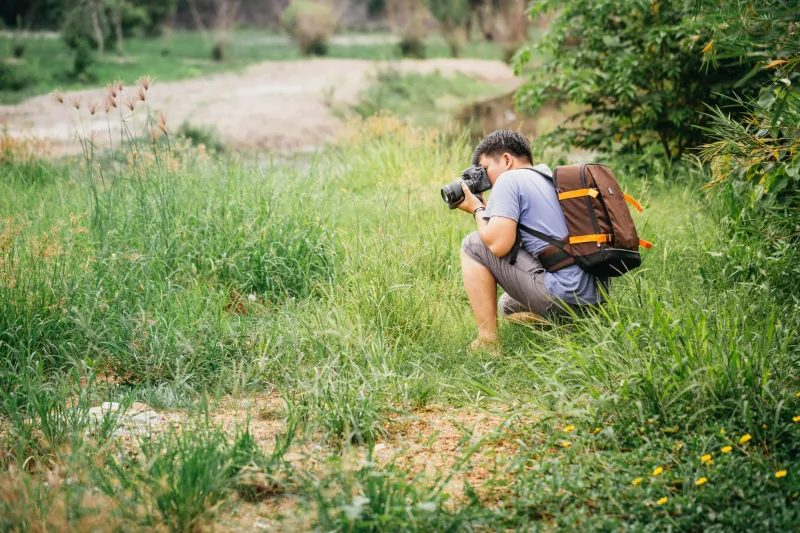
A substantial and technically demanding tradition within fine art nude photography insists on the irreplaceable value of working in actual environments—deserts, forests, coastlines, urban architecture, abandoned industrial spaces—where the photographer must negotiate with conditions rather than dictate them. The results, when the work is executed with skill and intention, carry a quality of presence that studio work rarely achieves.
The Conceptual Argument for Location
Before addressing the practical dimensions of location-based nude photography, it is worth establishing why the choice of environment matters artistically. The human body does not exist in isolation; it exists in relationship to the physical world, and that relationship is one of the most enduring subjects of visual art across all cultures and periods. When a nude figure is placed within a specific landscape or architectural space, the resulting image is not simply a nude photograph with a background. It is an image about the relationship between human form and the world the body inhabits.
The vast, sun-bleached expanses of the American Southwest—the Mojave Desert, the Utah canyon country, the salt flats of Nevada—create a particular kind of visual and conceptual tension when a human figure is introduced. The body's vulnerability becomes palpable against geological scales of time and distance. The figure is simultaneously diminished by the landscape and, through the act of presence, asserts something essential about human existence within it.
Forested environments offer an entirely different register of meaning. The interplay of dappled light through a forest canopy, the tactile relationship between skin and bark or moss, the sense of enclosure within living systems—these conditions produce images that engage with themes of naturalism, the body's relationship to organic life, and the long artistic tradition of the pastoral nude.
Urban and architectural locations introduce yet another layer of conceptual possibility. The nude figure within a brutalist concrete structure, an abandoned industrial facility, or the geometric precision of modernist architecture creates a dialogue between organic and constructed form that carries specifically contemporary resonances.
Scouting as Creative Practice
Photographers who work extensively on location consistently describe the scouting process as a genuinely creative phase of the work, not merely a logistical preliminary. Finding a location is not simply a matter of identifying a visually appealing space; it requires imagining how the human form will interact with that space across varying light conditions, from different angles, and in relationship to the specific conceptual intentions of the project.
Effective location scouting for fine art nude photography in the United States involves both physical and legal research. Public lands—national forests, Bureau of Land Management territories, and certain state parks—offer extraordinary visual variety but require careful attention to permit requirements, which vary significantly by jurisdiction and by the nature of the proposed activity. Private property offers greater control over access and conditions but requires negotiation with landowners, who must be approached with transparency about the nature of the work.
Experienced photographers typically visit a potential location at multiple times of day before committing to a shoot there, noting how light quality changes, where shadows fall, how the space's character shifts from morning to afternoon to the transitional light of early evening. The golden hour that produces such distinctive results in landscape photography is equally valuable in nude work, but its brief duration demands that the photographer arrive with a clear sense of exactly how they intend to use it.
Managing Logistics Without Sacrificing the Work
The technical and logistical demands of location-based nude photography are considerably greater than those of studio work, and photographers who approach these shoots without thorough preparation frequently find that logistical problems consume the creative energy the work requires.
Weather is the most obvious variable. Outdoor shoots in desert environments require careful attention to temperature and sun exposure; working in direct midday sun is not only technically challenging—the harsh, overhead light is rarely flattering—but potentially dangerous for a subject who may be stationary for extended periods. Coastal locations introduce wind, which affects both the subject's comfort and the photographic results. Forest environments in many parts of the United States bring insect populations that require management without compromising the visual integrity of the work.
The photographer's equipment must be adapted to location conditions. Natural light work requires a thorough understanding of reflectors, diffusers, and the creative use of shade; photographers who rely heavily on artificial light in the studio must either transport and power that equipment or develop a genuinely different approach to exposure and composition. Many photographers who work extensively on location describe developing a distinct visual sensibility for location work that differs meaningfully from their studio practice—an approach that treats available light not as a compromise but as a primary creative material.
Subject comfort and safety are non-negotiable priorities. A subject who is cold, uncomfortable, or anxious about exposure in a semi-public environment cannot produce the quality of presence the work requires. Experienced location photographers develop detailed protocols for maintaining subject comfort: appropriate clothing and covering between setups, thorough advance communication about conditions the subject will encounter, and a clear process for monitoring and responding to the subject's physical state throughout the session.
Environment as Collaborator
The most technically accomplished location photographers describe a shift in their relationship to environmental conditions over time—from experiencing unpredictable elements as obstacles to treating them as collaborators. An unexpected cloud formation that diffuses light in an unanticipated way, wind that moves the subject's hair or creates movement in surrounding vegetation, the particular quality of light that arrives only in the minutes following a desert rainstorm—these are not problems to be solved but creative materials to be recognized and used.
This collaborative relationship with environment requires a degree of creative flexibility that studio work rarely demands. The photographer must be capable of abandoning a planned approach when conditions offer something better, and must develop the visual literacy to recognize that better thing when it appears. Fine art nude photography on location, at its most accomplished, is not the execution of a predetermined vision. It is the discovery of an image within the conditions the world provides.
The results of this process—when the photographer's technical preparation, the subject's trust and presence, and the environment's particular character align—are among the most powerful images that the medium of photography produces. They carry the irreplaceable quality of having actually happened, in a specific place, at a specific moment, between real people and the world they inhabit.