Curating on a Budget: The Emerging Collector's Path Into Fine Art Nude Photography
There is a persistent myth in American collecting culture that serious art—particularly work as nuanced and historically rich as fine art nude photography—belongs exclusively to those with substantial disposable income and established relationships with blue-chip galleries. The reality is considerably more democratic. The market for fine art nude photography, when approached with patience and genuine curiosity, offers remarkable opportunities for collectors working with modest budgets who are willing to do the necessary research.
This is not a guide to acquiring cheap art. It is a guide to acquiring meaningful art thoughtfully.
Understanding What You Are Actually Buying
Before spending a single dollar, a prospective collector must understand the distinction between decorative photography and fine art photography with genuine market standing. Fine art nude photography, at its most considered, carries with it a provenance of intention—the artist's conceptual framework, the subject's informed participation, the technical execution, and the cultural conversation the work enters upon completion.
A print purchased from an artist who maintains a coherent body of work, exhibits in vetted spaces, and limits edition sizes is categorically different from a high-resolution reproduction sold without documentation. When evaluating any purchase, request a certificate of authenticity, confirm the edition number and total run, and research whether the artist has shown work in juried exhibitions or been reviewed in credible photography publications. These markers are not mere formalities; they are the infrastructure that supports long-term value.
Where Emerging Collectors Actually Find the Work
The most financially accessible entry point into fine art nude photography is, almost universally, the emerging artist market. Photographers who have completed MFA programs, shown work in regional exhibitions, or built sustained bodies of work—but who have not yet achieved national name recognition—frequently offer prints at prices that will seem remarkable in retrospect.
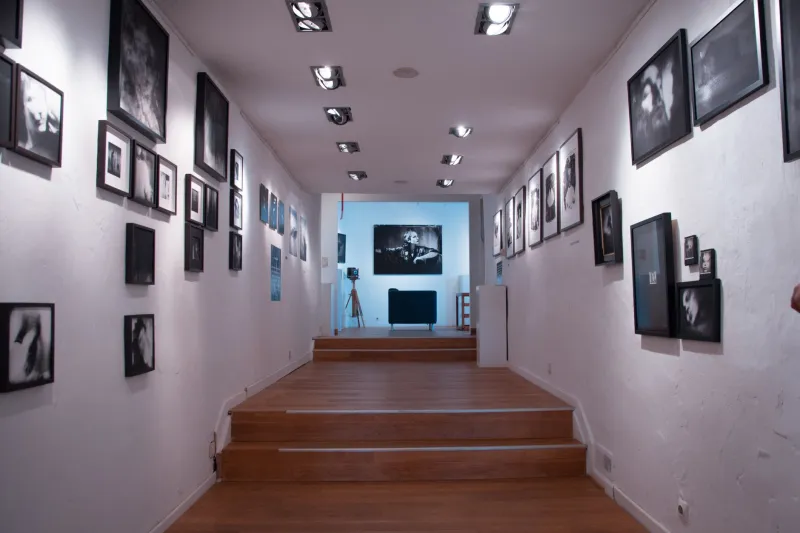
Several platforms have meaningfully democratized access to this work. Websites dedicated to limited edition fine art prints often feature curated nude photography from vetted photographers at price points ranging from $75 to $500 for smaller editions. Photography-specific print fairs, held annually in cities including New York, Los Angeles, and Chicago, allow collectors to meet artists directly, examine physical print quality, and negotiate purchase terms without gallery markup.
Local art school thesis exhibitions are consistently underutilized by serious collectors. Graduating MFA candidates in photography programs at institutions such as the School of Visual Arts, the Rhode Island School of Design, or the California Institute of the Arts frequently produce sophisticated work—including fine art nudes—that sells for a fraction of what it will command five years later, if the artist continues developing.
The Logic of Limited Editions
Edition size is one of the most important variables in fine art photography collecting, and it is frequently misunderstood by those new to the field. A photograph printed in an edition of five carries fundamentally different market implications than one printed in an edition of one hundred, even if the images themselves are visually comparable.
For budget-conscious collectors, open editions represent the lowest financial risk but also the lowest appreciation potential. Limited editions—particularly those under twenty-five prints—offer a more compelling investment proposition. Artists who are early in their careers but demonstrate clear artistic development often retire editions as their reputations grow, which means early purchasers benefit from both personal relationship with the artist and favorable pricing relative to later market values.
When an artist announces a final edition or a retirement of a particular image, collectors who purchased early frequently find their acquisitions have appreciated significantly. This is not speculation; it is a pattern documented across multiple generations of American photography collecting.
Building a Coherent Collection Rather Than an Accumulation
The difference between a collection and an accumulation is curatorial intention. Many new collectors make the understandable mistake of purchasing whatever appeals to them in the moment, resulting in a group of images that share no thematic, aesthetic, or conceptual relationship. While personal enjoyment is a legitimate reason to acquire art, collectors who approach fine art nude photography with a defined focus tend to build holdings that are both more personally meaningful and more market-legible over time.
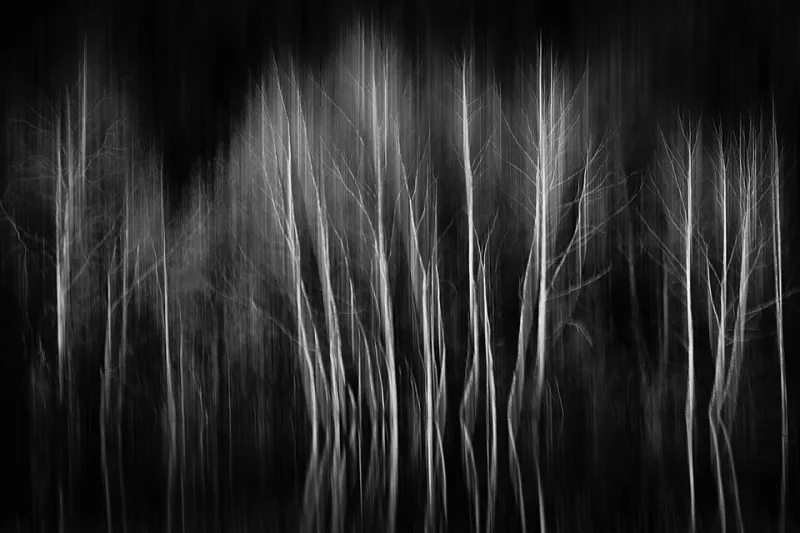
Consider organizing your collection around a specific conceptual thread: the relationship between the human form and natural landscape, the use of dramatic chiaroscuro lighting across different photographers' practices, or the evolving representation of body diversity in contemporary American nude photography. A focused collection of fifteen thoughtfully chosen works will almost always carry more weight—critically and financially—than fifty unrelated acquisitions.
Supporting the Artists Who Make the Work Possible
There is a dimension to collecting fine art nude photography that extends beyond investment strategy. The photographers who produce this work operate in a cultural environment that is frequently hostile to their practice. Platform censorship, payment processor restrictions, and persistent social stigma around the nude in art create genuine financial precarity for even accomplished photographers.
When you purchase directly from an artist—bypassing secondary markets and resellers—you contribute materially to their ability to continue working. Many fine art photographers who specialize in the nude form report that direct collector relationships are among the most sustaining aspects of their professional lives, both financially and in terms of the validation that serious engagement with their work provides.
Collecting on a budget and collecting ethically are not competing priorities. They are, in fact, deeply aligned. The photographers most accessible to emerging collectors are often those who most need the support that a committed collecting community can provide.
A Practical Starting Framework
For those ready to begin, a reasonable first-year approach might involve setting a quarterly acquisition budget—even $200 to $300 per quarter represents a meaningful commitment—and dedicating equal time to research as to purchasing. Follow photographers whose work interests you on professional platforms, attend regional photography exhibitions, and introduce yourself to artists whose work resonates with you.
The finest collections are built slowly, with care, and with genuine relationships at their foundation. The budget collector who approaches this field with seriousness and patience will, over time, build something that neither money alone nor enthusiasm alone could have produced.